Understanding Sensory Processing in Neurodiverse Children
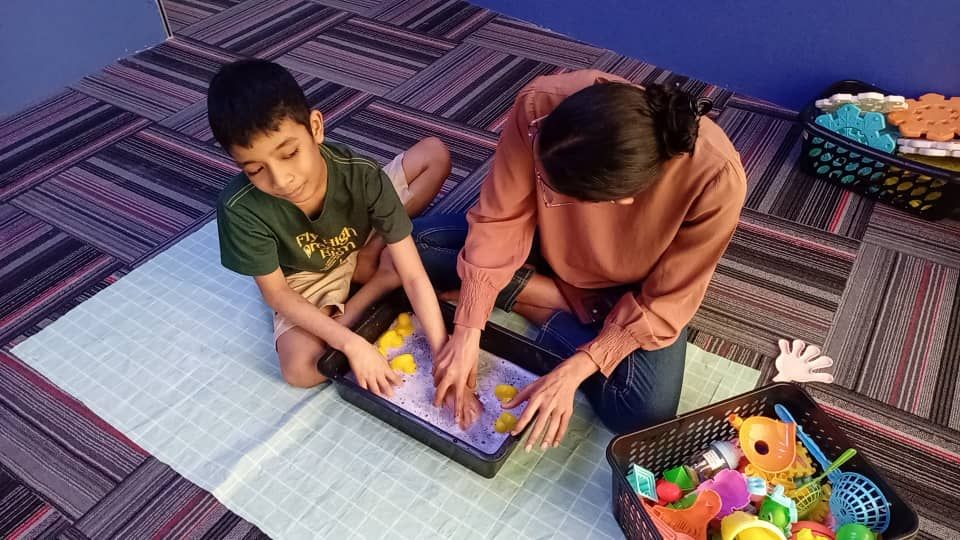
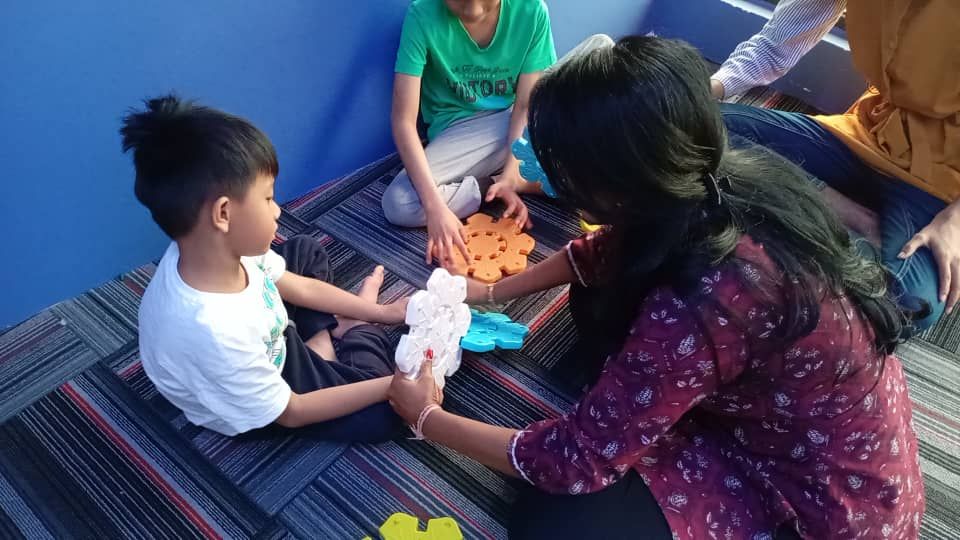
Sensory processing is how our brain receives, organizes, and responds to information from our senses. For neurodiverse children, this process can work differently.
Signs of Sensory Processing Differences:
- Over-responsivity: Strong reactions to sounds, textures, or lights - Under-responsivity: Seeking more sensory input than typical - Sensory seeking: Craving movement, touch, or visual stimulation
Creating a Sensory-Friendly Home:
- Designate a Calm Space - Create a quiet corner with soft lighting, comfortable seating, and calming items like weighted blankets.
- Reduce Overwhelming Stimuli - Use dimmer switches, noise-canceling headphones, and soft tagless clothing.
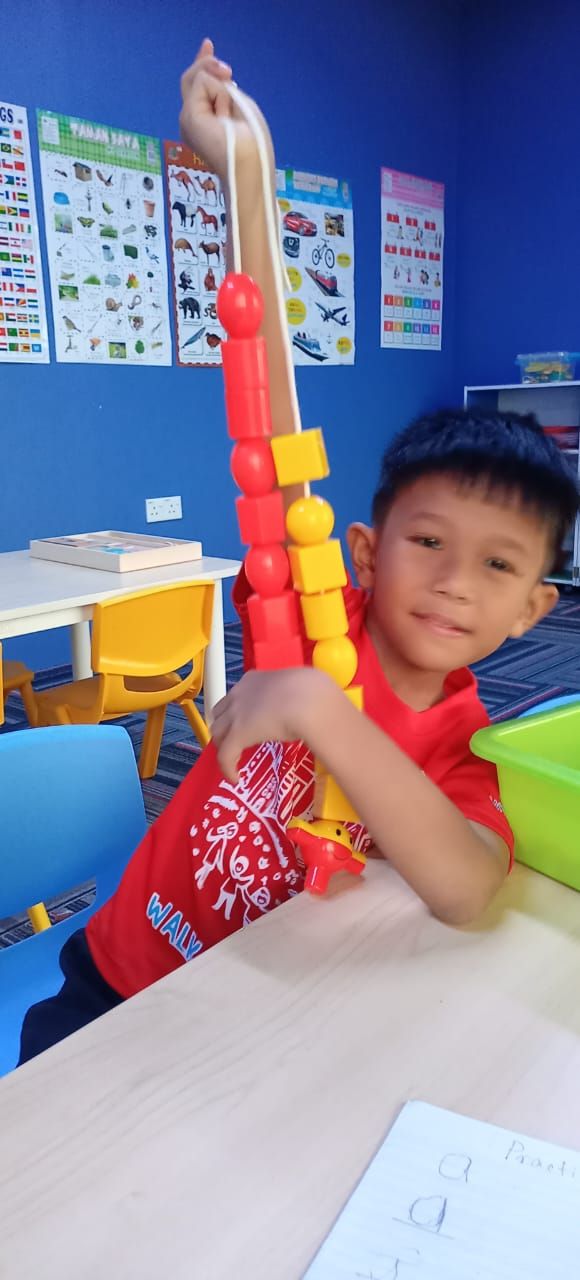
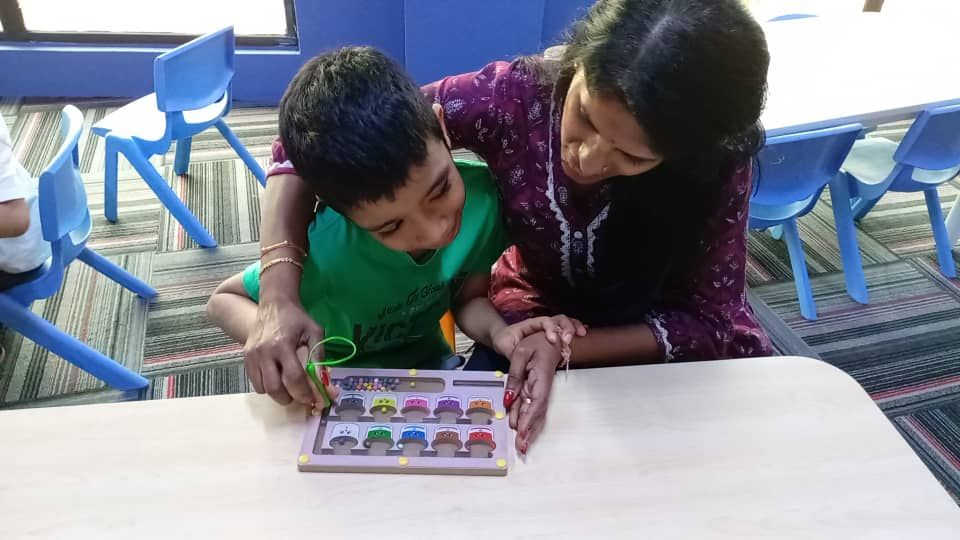
- Provide Sensory Tools - Fidget toys, chewable jewelry, and textured items.
Daily Strategies:
- Morning: Start with calming activities like deep pressure - Transitions: Give warnings and use visual schedules - Mealtimes: Offer preferred textures alongside new foods
If sensory differences significantly impact daily life, consider consulting an occupational therapist who specializes in sensory integration.
Need Support?
At Caterpillar Care Centre - Neurodiversity School, we provide evidence-based support for neurodiverse children and their families.
Contact Us